
The question we get more than any other on septic houses:
“How often should the tank be pumped? Every 3 years? Every 5?”
Respectfully… wrong question.
The right question is:
“When does this specific tank actually need to be pumped?”
The answer is simple and works every single time we pull a core sample (which is basically every septic inspection we do):
Pump it when the solids layer hits 25–35% of the tank volume.
Above that and you’re flirting with backups or solids sneaking out into the drain field, which is where the 4 and 5 figure nightmares start.
That’s the only trigger that matters.
“Every X years” independent of use” falls apart the second you remember real life:
- Family of 6 cooking bacon every morning
- Snowbird couple who’s gone 8 months a year
- Airbnb that gets flushed 10–15 times a day
- Someone who thinks the garbage disposal is a second trash can
All of those fill the tank at wildly different speeds. A calendar can’t account for any of it.
Here’s the move you can tell your buyers (and instantly sound like the smartest person in the room):
- Grab a core sampler (aka sludge judge—it’s a $160 clear tube on a stick).
- Check it once a year. Takes 2 minutes.
- If solids are under 25%, sleep easy and check again next year. Once it crosses 30%, schedule the pump.
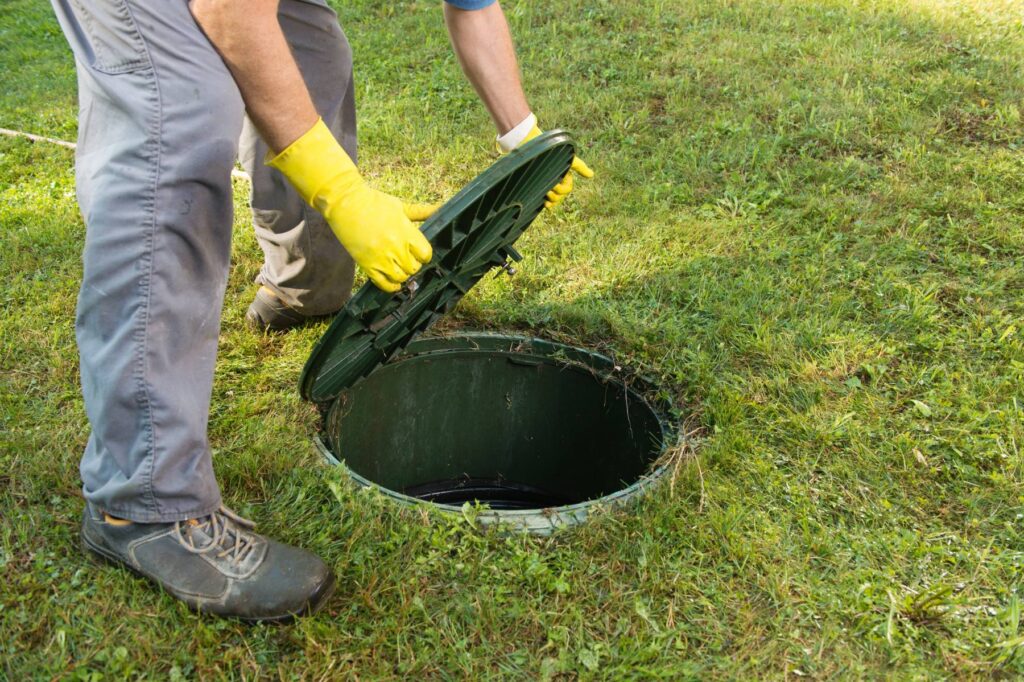
Bonus points: make sure the tank has risers to grade. No risers = digging up the yard every time you want to check levels, clean the filter, or pump. With risers you just unscrew a lid at ground level. Night-and-day difference.
Pass this along to your septic buyers and you’ll save them a ton of money and headaches. They’ll love you for it.
(And yeah, if they don’t feel like playing in the tank themselves, we’re always a quick call away to come pull the sample and send you the photos.)
Here’s to fewer surprise repair bills and smoother closings!